How Are Freight Shipping Rates Calculated?

Freight shipping rates can feel unpredictable, especially for shippers managing tight budgets, complex supply chains, or time-sensitive deliveries. One quote seems reasonable, the next feels inflated, and without understanding how rates are built, it’s difficult to plan or control costs.
The reality is this: freight shipping rates are calculated using a combination of measurable cost factors, risk variables, market conditions, and operational requirements. Once shippers understand these elements, rate fluctuations make far more sense, and cost-saving opportunities become easier to spot.
As a full-service logistics provider, Freight Squad helps shippers not only secure competitive pricing, but also understand why a rate is what it is. This guide breaks down exactly how freight shipping rates are calculated and what you can do to manage them more effectively.
1. Distance and Lane Pricing
At the core of all freight shipping rates is distance.
How distance impacts freight shipping rates:
-
Longer routes require more fuel, driver hours, and equipment usage
-
Multi-state lanes introduce varying regulations and tolls
-
Remote or low-volume lanes typically cost more due to reduced backhaul opportunities
However, rates are not priced strictly per mile. Lane density matters just as much.
High-volume vs low-volume lanes:
-
Major freight corridors (e.g., Midwest ↔ Southeast) are more competitive
-
Rural or outbound-heavy markets often carry higher rates
-
Imbalanced lanes (few return loads) increase pricing
Freight Squad evaluates lane efficiency and carrier availability to ensure rates reflect real market conditions, not inflated assumptions.
2. Freight Type and Mode of Transportation
The type of freight being shipped significantly affects freight shipping rates.
Common freight modes and cost differences:
-
LTL (Less-Than-Truckload): Shared space, priced by freight class and density
-
FTL (Full Truckload): Dedicated equipment, priced by lane and demand
-
Partial Truckload: Between LTL and FTL, often priced per linear foot
-
Intermodal: Rail + truck, lower cost but longer transit times
-
Expedited Freight: Premium pricing for urgent deliveries
Each mode introduces different cost structures related to handling, time, and equipment usage.
3. Weight, Dimensions, and Freight Class
One of the most misunderstood components of freight shipping rates is how size and weight influence cost.
Key measurement factors:
-
Total shipment weight
-
Length, width, and height
-
Density (weight per cubic foot)
-
Palletization and stackability
For LTL shipments, freight class (NMFC) plays a major role. Lower-density, fragile, or high-risk freight falls into higher classes, resulting in higher rates.
Oversized or heavy freight increases costs due to:
-
Specialized trailers
-
Reduced carrier availability
-
Additional securement requirements
-
Potential permits or route restrictions
Freight Squad ensures accurate measurements are used upfront, preventing costly re-classifications or surprise charges.
4. Equipment Requirements
Not all freight fits on a standard dry van.
Specialized equipment increases freight shipping rates because it:
-
Limits the carrier pool
-
Requires experienced drivers
-
Reduces load flexibility
Examples include:
-
Flatbeds
-
Step decks
-
RGNs (Removable Goosenecks)
-
Refrigerated trailers
-
Hazmat-certified equipment
The more specialized the equipment, the higher the operational cost, and therefore the rate.
5. Fuel Costs and Fuel Surcharges
Fuel is one of the most volatile components of freight shipping rates.
How fuel affects pricing:
-
Carriers adjust fuel surcharges based on national diesel averages
-
Longer routes amplify fuel cost impact
-
Congestion, idling, and terrain increase fuel consumption
Fuel surcharges are often listed separately but are inseparable from total freight cost. Freight Squad monitors fuel trends to help shippers time shipments strategically when possible.
6. Market Conditions and Capacity
Supply and demand play a major role in freight shipping rates.
Factors that drive market fluctuations:
-
Seasonal shipping peaks (Q4, harvest season, construction season)
-
Driver shortages
-
Equipment shortages
-
Weather disruptions
-
Economic shifts
When capacity tightens and demand increases, rates rise. When capacity exceeds demand, pricing becomes more competitive.
Freight Squad leverages real-time market data and carrier relationships to secure capacity even during volatile conditions.
7. Pickup and Delivery Complexity
Not all locations are created equal.
Accessorial factors that impact freight shipping rates:
-
Residential pickup or delivery
-
Limited access locations (construction sites, military bases)
-
Inside pickup or delivery
-
Liftgate requirements
-
Appointment scheduling
-
Detention or layover risks
Each adds labor, time, or risk, driving up costs. Accurate location details are critical to avoiding unexpected charges.
8. Regulatory and Compliance Requirements
Regulations add complexity, and cost, to freight shipping.
Cost-impacting compliance factors include:
-
DOT and FMCSA regulations
-
Oversize or overweight permits
-
State-specific travel restrictions
-
Hazmat certification and documentation
-
Securement standards and inspections
Non-compliance risks fines, delays, or shipment shutdowns. Freight Squad ensures all regulatory requirements are accounted for before pricing is finalized.
9. Risk, Liability, and Insurance
Higher-risk freight carries higher freight shipping rates.
Risk factors include:
-
High-value cargo
-
Fragile or sensitive materials
-
Hazardous materials
-
Tight delivery windows
These shipments require:
-
Higher insurance coverage
-
Experienced carriers
-
Enhanced monitoring
Rates reflect the added liability carriers assume.
10. Timing and Flexibility
When and how flexible you ship matters.
Rate-influencing timing factors:
-
Same-day or expedited shipping
-
Weekend or holiday movement
-
Tight pickup or delivery windows
-
Last-minute bookings
Shippers who can offer flexibility in pickup dates, delivery windows, or routing often benefit from lower freight shipping rates.
11. Carrier Selection and Service Level
Not all rates are created equal.
Lower rates may involve:
-
Less experienced carriers
-
Limited tracking visibility
-
Higher risk of delays or claims
Higher-quality service includes:
-
Vetted, insured carriers
-
Real-time tracking
-
Proactive communication
-
Compliance assurance
Freight Squad balances cost with reliability, protecting shippers from false savings that lead to operational headaches.
How Freight Squad Helps Control Freight Shipping Rates
Freight Squad doesn’t just quote rates, we manage the factors behind them.
Our approach includes:
-
Lane optimization
-
Carrier vetting
-
Mode selection analysis
-
Accessorial cost prevention
-
Accurate shipment profiling
-
Market timing insights
By addressing the root causes of cost, we help shippers achieve predictable, competitive freight shipping rates, without sacrificing reliability.
Get a Quote With Full Cost Transparency
Understanding how freight shipping rates are calculated puts shippers in control. With the right logistics partner, rates stop being a mystery and start becoming a strategic advantage.
Get a quote today and let Freight Squad deliver clear pricing, reliable capacity, and expert logistics support.
Recent Posts
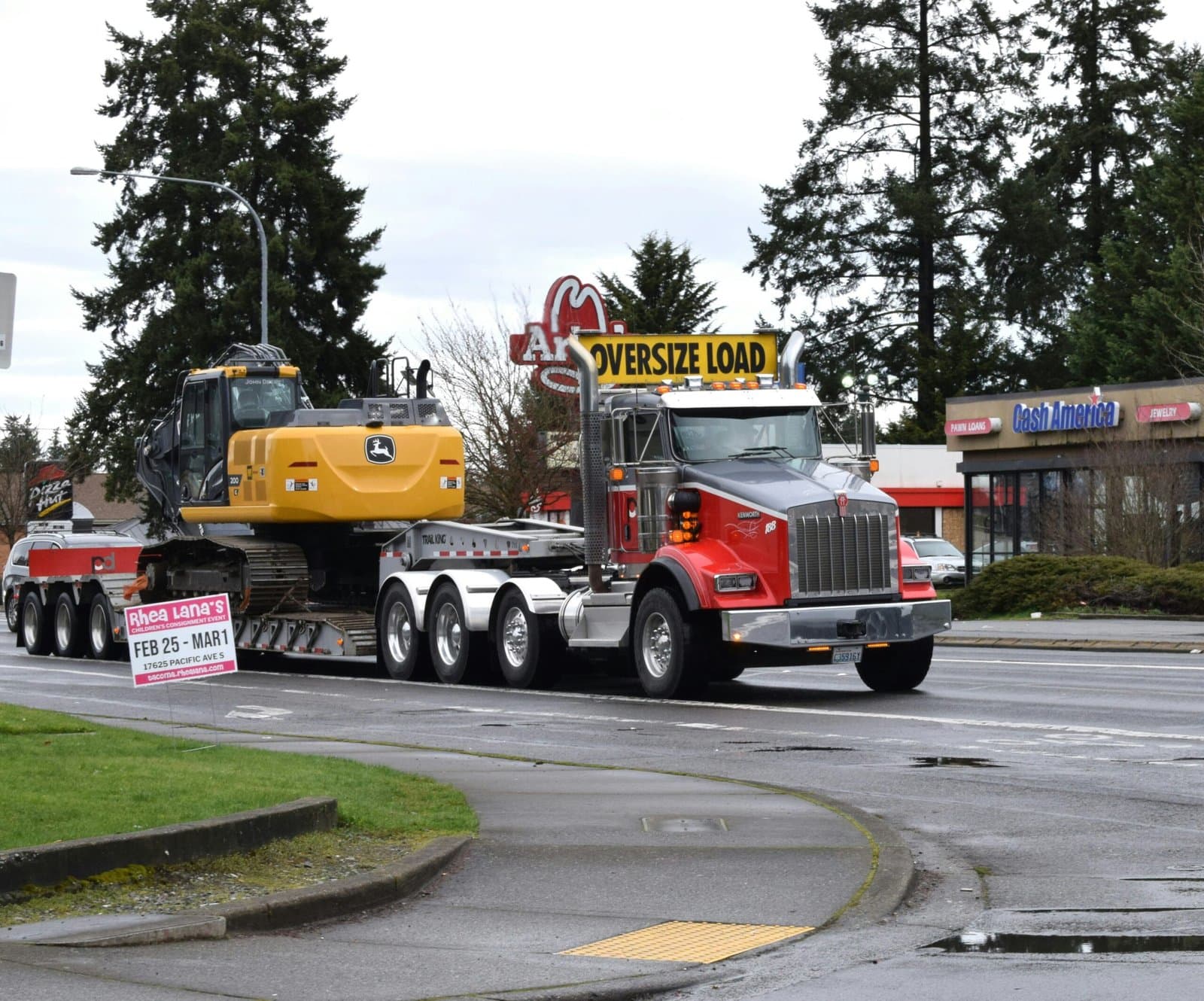
Moving Construction Equipment: Best Practices
APRIL 20, 2026
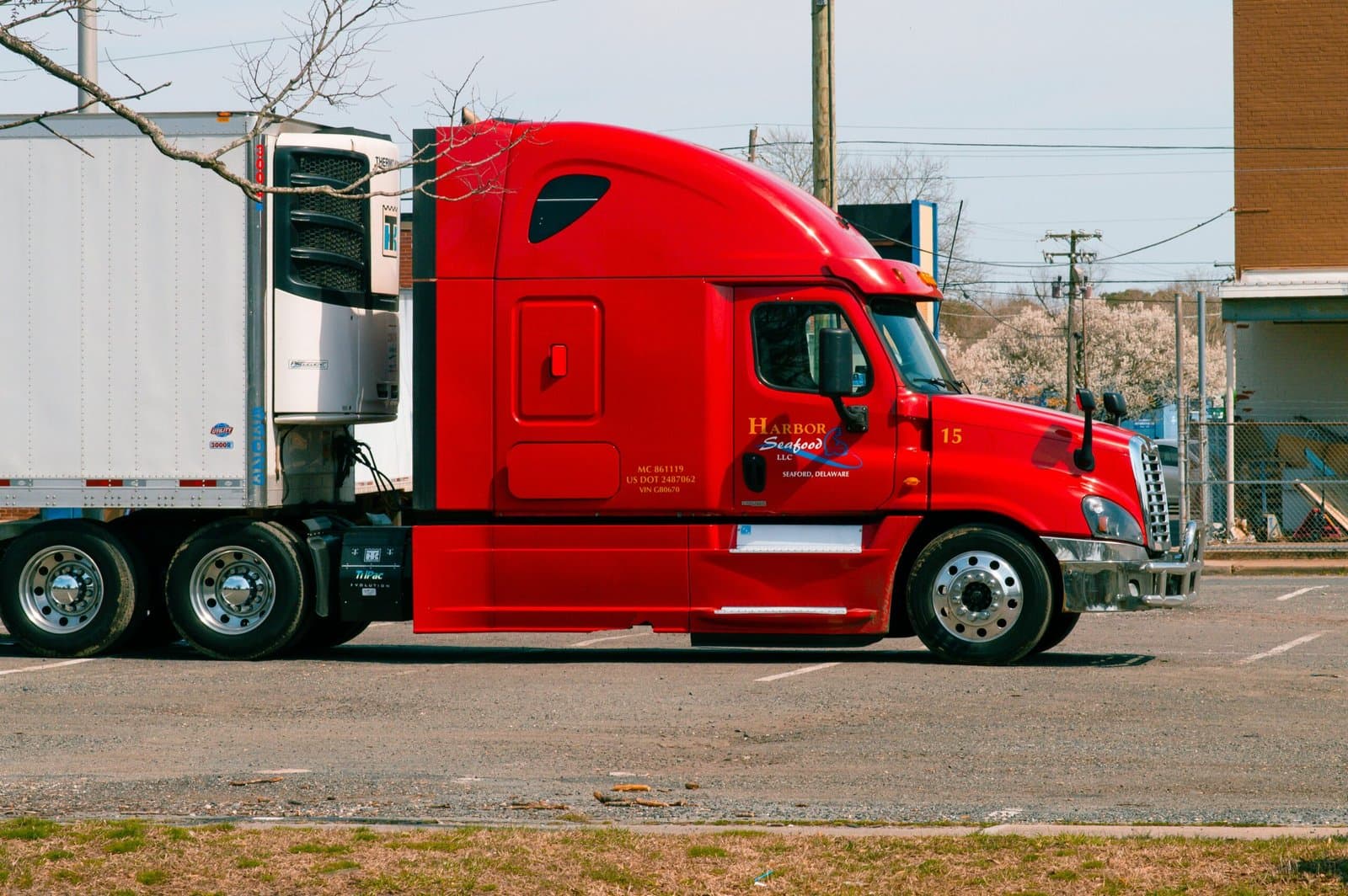
Temperature-Controlled Freight: When You Need It
APRIL 17, 2026

How to Schedule Freight Pickups at Manufacturing Facilities
JANUARY 21, 2026

How to Ship Industrial Machinery Across State Lines
JANUARY 11, 2026
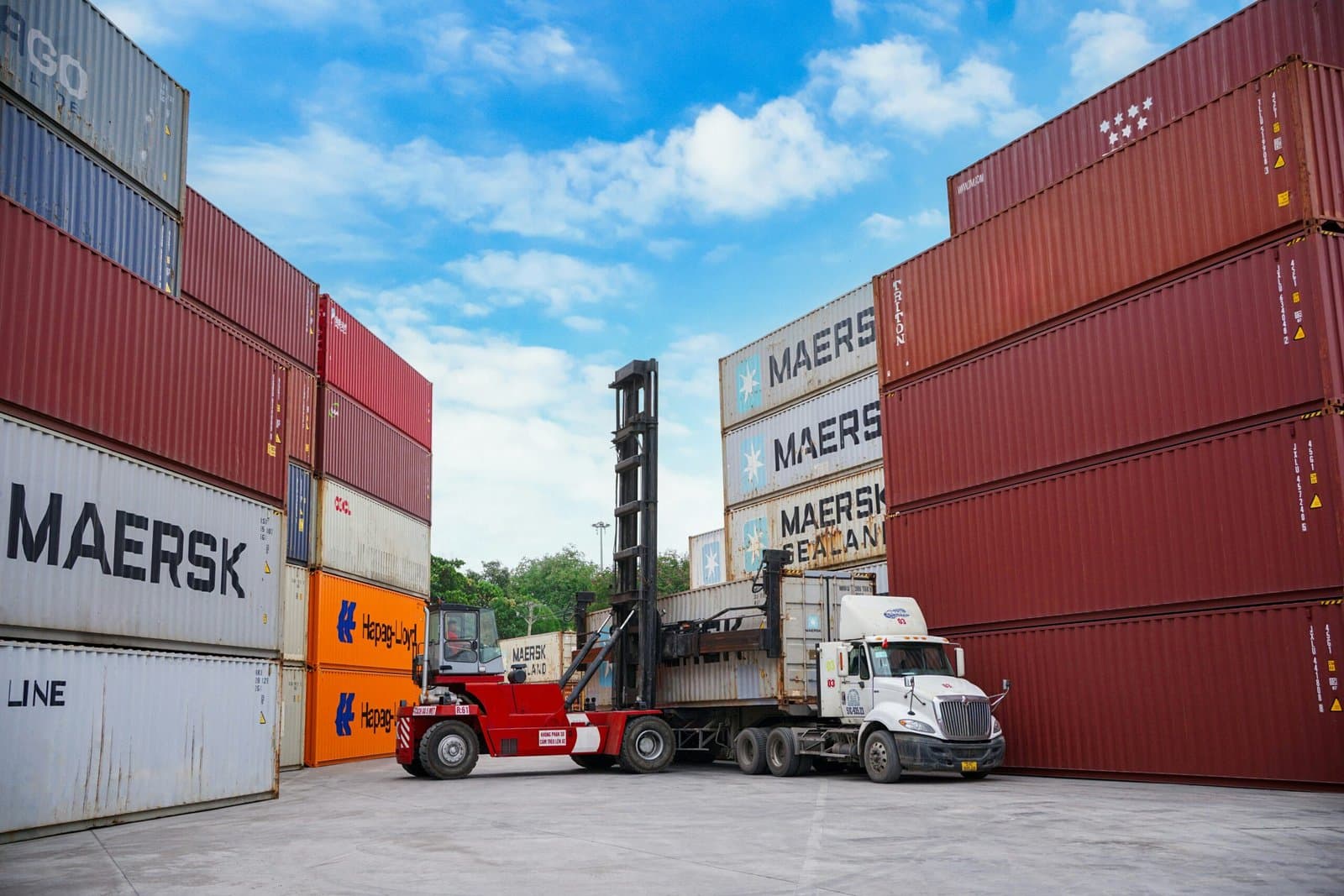
Manufacturing Logistics: Moving Heavy Machinery Safely
DECEMBER 11, 2025