Manufacturing Logistics: Moving Heavy Machinery Safely
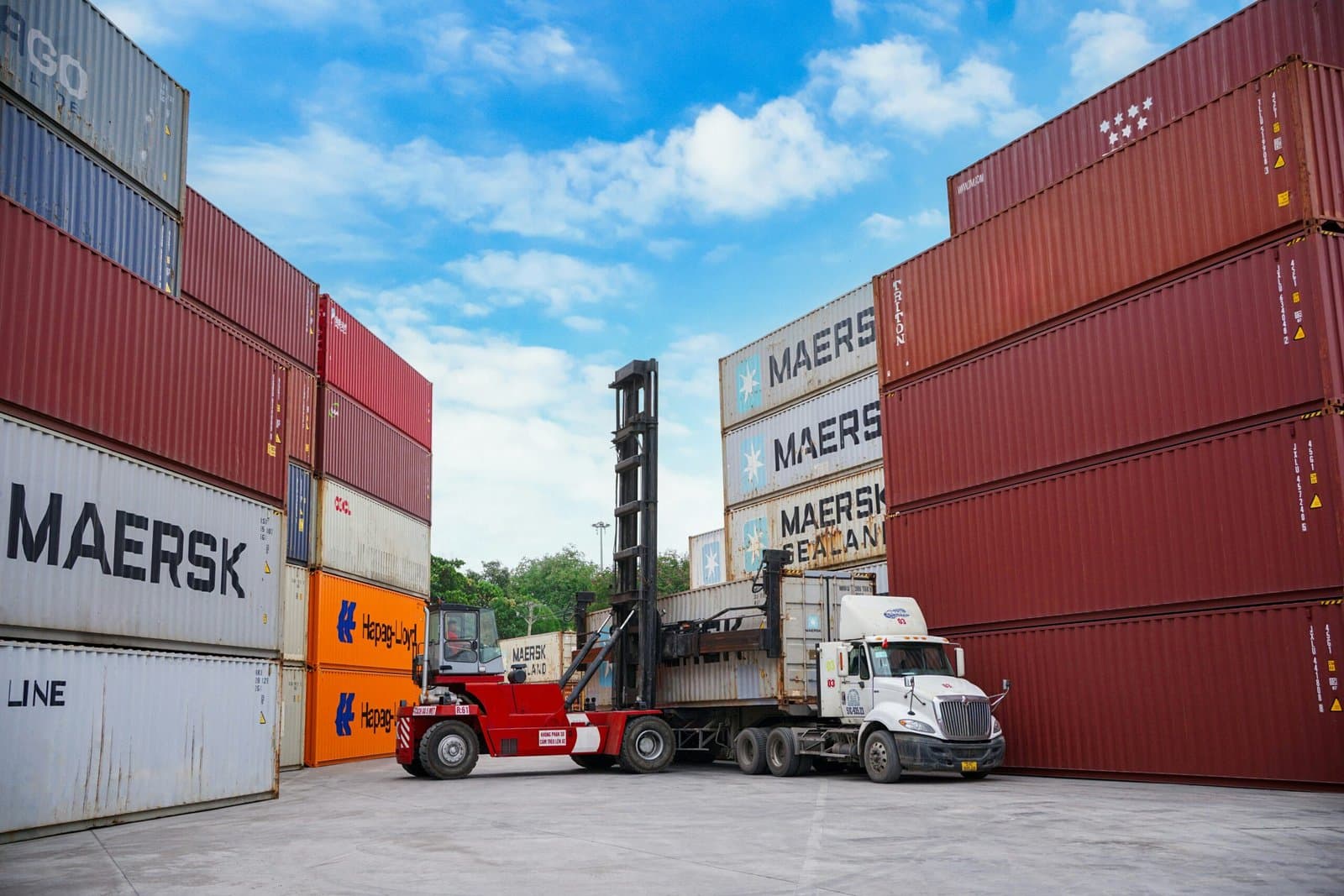
Manufacturing logistics plays a critical role in keeping production lines running, facilities expanding, and capital equipment moving where it’s needed most. When manufacturers need to transport heavy machinery, whether relocating equipment, installing new production lines, or shipping machinery to customers, the risks increase significantly.
Heavy machinery is oversized, high-value, difficult to replace, and often essential to operations. A single mistake during transport can result in costly damage, project delays, safety incidents, or regulatory violations. That’s why manufacturers need a logistics strategy designed specifically for moving heavy equipment safely, legally, and efficiently.
As a full-service logistics provider, Freight Squad supports manufacturers across the U.S. by managing every aspect of heavy machinery transport—from planning and compliance to execution and delivery. This guide explains how manufacturing logistics enables safe, reliable machinery movement and what manufacturers must consider to reduce risk.
Why Manufacturing Logistics Is Different
Manufacturing logistics is more complex than standard freight shipping. Unlike palletized goods or consumer products, heavy machinery presents unique challenges:
-
Oversized or overweight dimensions
-
Irregular shapes and weight distribution
-
High replacement and downtime costs
-
Strict safety and compliance requirements
-
Limited carrier and equipment availability
Manufacturers cannot afford delays or damage. Proper logistics planning ensures machinery arrives intact, on schedule, and ready for installation or operation.
Common Types of Heavy Machinery in Manufacturing
Manufacturing logistics frequently involves transporting equipment such as:
-
CNC machines and milling equipment
-
Injection molding machines
-
Industrial presses
-
Assembly line machinery
-
Robotics and automation systems
-
Generators and compressors
-
Large pumps, tanks, and turbines
Each piece of equipment has unique handling, securement, and routing requirements that must be addressed during transport planning.
1. Accurate Equipment Specifications Are the Foundation
Safe machinery transport begins with precise equipment data. Incorrect measurements are one of the leading causes of delays, permit issues, and damage.
Manufacturers must provide:
-
Exact weight (including attachments)
-
Overall dimensions (length, width, height)
-
Center of gravity
-
Lift points and securement locations
-
Operating condition (rolling or non-rolling)
-
Sensitivity to vibration or tilt
Manufacturing logistics teams use this information to determine trailer selection, route feasibility, securement methods, and regulatory requirements.
Freight Squad validates equipment details upfront to prevent costly mid-shipment corrections.
2. Selecting the Right Transport Equipment
Heavy machinery rarely fits on standard trailers. Choosing the correct equipment is critical for safety and compliance.
Common trailer options include:
-
Flatbeds for smaller machinery within legal limits
-
Step decks to reduce overall load height
-
Double drops for tall or bulky machinery
-
RGN (Removable Gooseneck) trailers for roll-on loading
-
Multi-axle heavy-haul trailers for extreme weight or size
The wrong trailer increases the risk of:
-
Over-height violations
-
Improper weight distribution
-
Securement failures
-
Structural damage
Manufacturing logistics professionals match machinery to the proper trailer based on dimensions, weight, and route restrictions.
3. Regulatory Compliance in Manufacturing Logistics
Transporting heavy machinery requires strict compliance with federal and state regulations.
DOT & FMCSA Regulations
These govern:
-
Vehicle and trailer safety standards
-
Load securement requirements
-
Axle weight limits
-
Driver qualifications and hours of service
State-Specific Oversize and Overweight Rules
Each state may impose:
-
Unique permit requirements
-
Travel-hour restrictions
-
Escort or pilot vehicle mandates
-
Route limitations and bridge restrictions
Failure to comply can result in:
-
Fines and citations
-
Shipment shutdowns
-
Project delays
-
Increased liability
Freight Squad manages permits, routing, and regulatory compliance to protect manufacturers from costly violations.
4. Route Planning for Heavy Machinery Transport
Manufacturing logistics depends heavily on intelligent route planning. Heavy machinery cannot travel standard freight routes.
Route planning must account for:
-
Bridge weight limits
-
Overhead clearances
-
Road width and turning radii
-
Construction zones
-
Urban travel restrictions
-
Escort vehicle requirements
Even small route errors can force rerouting, increase transit time, or cause damage. Freight Squad conducts route analysis before dispatch to ensure safe, approved travel paths.
5. Securement and Safety Standards
Improper securement is one of the biggest risks in heavy machinery transport.
FMCSA securement requirements include:
-
Proper chain grades and working load limits
-
Minimum number of tie-downs based on weight
-
Secondary securement for moving parts
-
Blocking and bracing to prevent shifting
-
Securement angles that prevent forward, rearward, and lateral movement
Manufacturing machinery often has sensitive components that require additional padding, vibration protection, or custom securement solutions.
Freight Squad works exclusively with carriers experienced in machinery securement, reducing the risk of damage in transit.
6. Preparing Machinery for Transport
Manufacturers play a key role in preparing equipment for safe shipment.
Preparation best practices include:
-
Removing or securing loose components
-
Locking moving parts
-
Draining fluids if required
-
Disconnecting power sources
-
Protecting sensitive electronics
-
Cleaning equipment to avoid inspection issues
Proper preparation reduces damage risk and prevents delays during pickup or inspection.
7. Managing Loading and Unloading Operations
Loading and unloading heavy machinery is one of the most dangerous stages of the transport process.
Key considerations include:
-
Ground stability at pickup and delivery sites
-
Proper lifting equipment (cranes, forklifts, gantries)
-
Clear communication between crews and drivers
-
Safe exclusion zones during loading
-
Alignment with securement plans
Manufacturing logistics providers coordinate closely with facility teams to ensure loading and unloading operations are safe and efficient.
8. Visibility and Real-Time Tracking
Manufacturers need full visibility when moving high-value machinery.
Manufacturing logistics solutions should include:
-
Real-time shipment tracking
-
Proactive status updates
-
Immediate issue escalation
-
Delivery confirmation
Freight Squad provides consistent communication throughout transit, allowing manufacturers to plan installation, staffing, and production schedules with confidence.
9. Risk Management and Insurance Considerations
Heavy machinery represents a significant investment. Transport risk must be managed carefully.
Key risk factors include:
-
High replacement costs
-
Long lead times for new equipment
-
Production downtime
-
Safety exposure
Manufacturing logistics planning should include:
-
Carrier insurance verification
-
Cargo coverage review
-
Clear liability documentation
Freight Squad helps manufacturers understand coverage requirements and mitigate exposure before shipping.
10. The Value of a Full-Service Manufacturing Logistics Partner
Moving heavy machinery safely requires more than booking a truck. It requires planning, compliance expertise, and execution precision.
Freight Squad provides manufacturers with:
-
End-to-end logistics management
-
Trailer and carrier selection
-
Route planning and permitting
-
Regulatory compliance oversight
-
Securement and safety coordination
-
Real-time tracking and communication
By partnering with a full-service logistics provider, manufacturers reduce risk, control costs, and protect critical assets.
Move Heavy Machinery With Confidence
Manufacturing logistics is a strategic function—not a last-minute task. When heavy machinery must move, safety, compliance, and reliability are non-negotiable.
Get a quote today and let Freight Squad manage your manufacturing logistics with the expertise heavy machinery transport demands.
Recent Posts
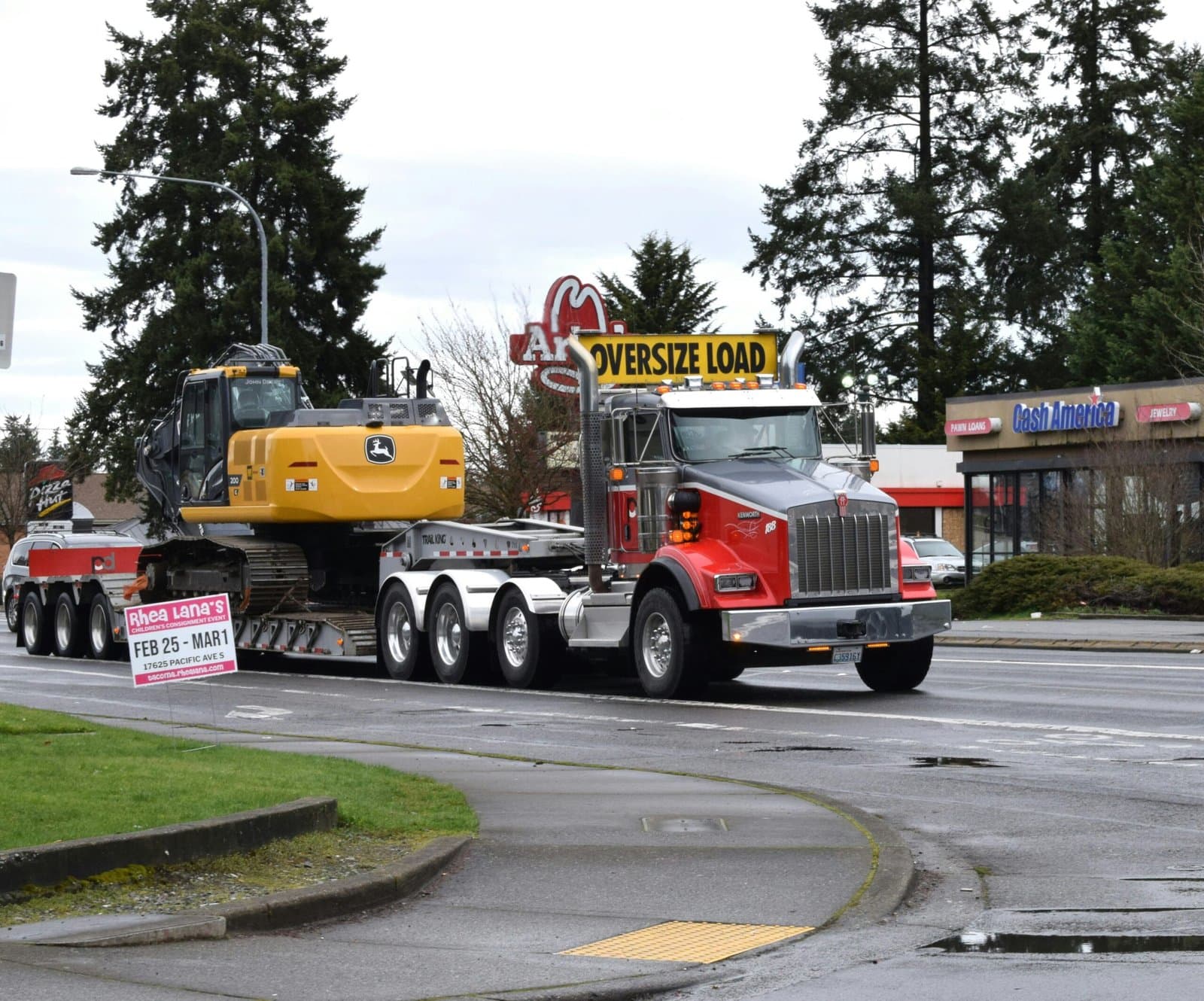
Moving Construction Equipment: Best Practices
APRIL 20, 2026
Temperature-Controlled Freight: When You Need It
APRIL 17, 2026
How to Schedule Freight Pickups at Manufacturing Facilities
JANUARY 21, 2026
How to Ship Industrial Machinery Across State Lines
JANUARY 11, 2026

How Are Freight Shipping Rates Calculated?
DECEMBER 7, 2025