Temperature-Controlled Freight: When You Need It
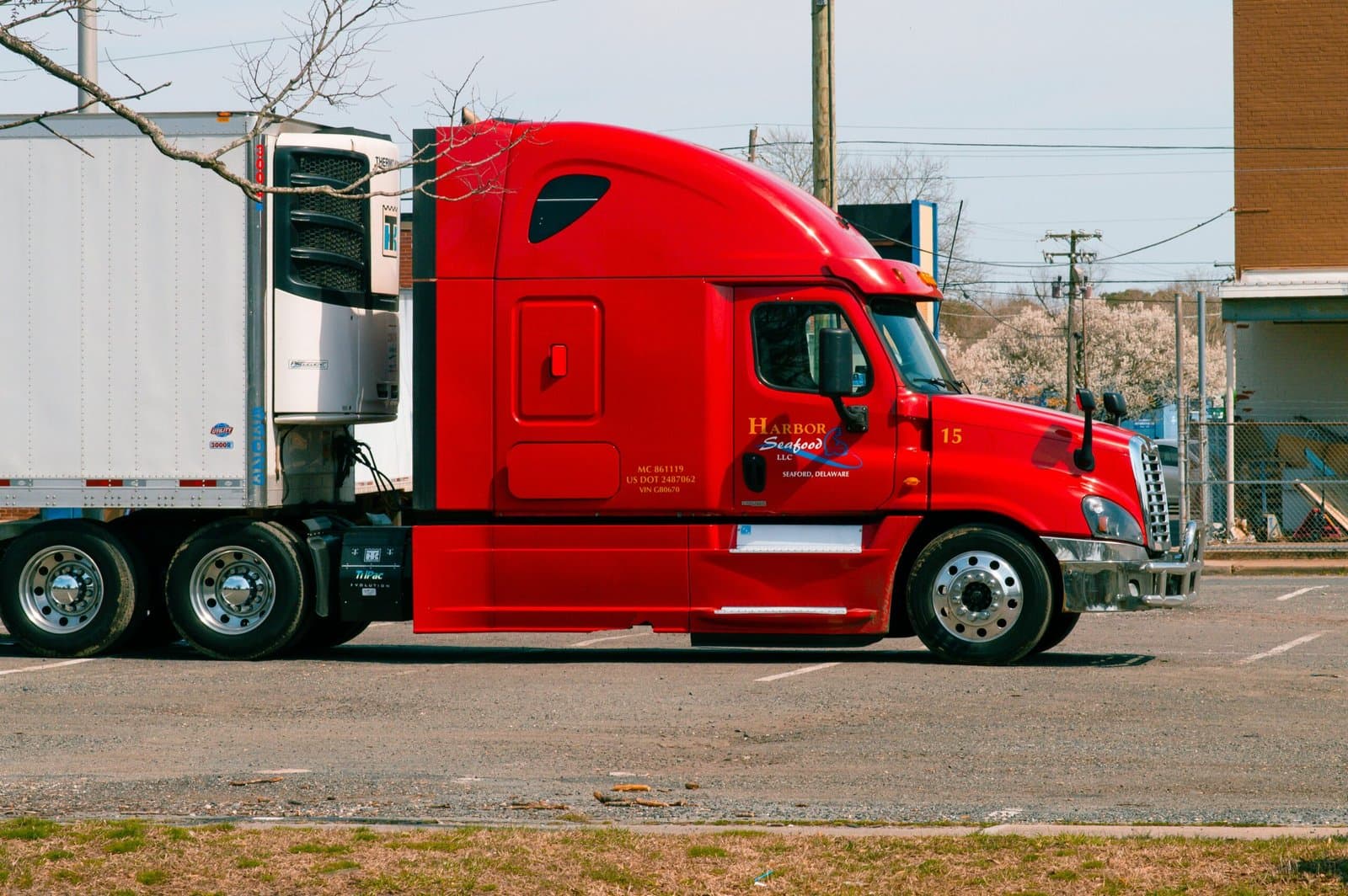
Temperature-controlled freight is essential for industries where product integrity depends on maintaining strict environmental conditions during transit. From food and pharmaceuticals to chemicals and sensitive industrial materials, even minor temperature deviations can lead to spoilage, compliance violations, product loss, or safety risks.
For shippers, understanding when temperature-controlled freight is required and how to execute it correctly is critical to protecting both products and operations.
As a full-service logistics provider, Freight Squad supports shippers across multiple industries by coordinating reliable, compliant, and precisely managed temperature-sensitive shipments. This guide explains when temperature-controlled freight is necessary, the technical requirements involved, and how to reduce risk during transport.
What Is Temperature-Controlled Freight?
Temperature-controlled freight refers to shipments that must be maintained within a specific temperature range throughout transit. This is typically achieved using:
- Refrigerated trailers (reefers)
- Frozen transport units
- Climate-controlled trailers (non-refrigerated but insulated and regulated)
- Active and passive temperature management systems
Unlike standard freight, these shipments require continuous monitoring and strict adherence to predefined temperature thresholds.
Key Temperature Ranges in Freight Shipping
Understanding temperature ranges is fundamental to determining when temperature-controlled freight is required.
Common transport ranges include:
- Frozen: -10°F to 0°F
- Refrigerated (Chilled): 32°F to 39°F
- Cool / Controlled Ambient: 40°F to 65°F
- CRT (Controlled Room Temperature): 68°F to 77°F
Different products require precise ranges, and even short deviations, known as temperature excursions, can render goods unusable.
When Do You Need Temperature-Controlled Freight?
Temperature-controlled freight is required whenever product stability, safety, or compliance depends on maintaining environmental conditions.
1. Food and Beverage Shipments
Perishable goods are one of the most common uses for temperature-controlled freight.
Examples include:
- Fresh produce
- Dairy products
- Meat and seafood
- Frozen foods
- Prepared or packaged meals
Why it matters:
- Prevents bacterial growth
- Maintains shelf life
- Ensures compliance with FDA and FSMA regulations
Improper temperature control can result in entire shipments being rejected upon delivery.
2. Pharmaceutical and Medical Shipments
Pharmaceutical logistics demand precise temperature control, often with narrow tolerances.
Common products:
- Vaccines
- Biologics
- Insulin and injectable medications
- Laboratory samples
- Medical supplies
Regulatory considerations:
- FDA guidelines
- Good Distribution Practices (GDP)
- Chain-of-custody documentation
Even a small temperature deviation can compromise efficacy, making real-time monitoring essential.
3. Industrial and Chemical Materials
Not all temperature-sensitive freight is perishable. Many industrial materials require controlled environments.
Examples include:
- Adhesives and resins
- Paints and coatings
- Specialty chemicals
- Batteries (including lithium-ion)
- Plastics and polymers
Risks of improper temperature control:
- Chemical instability
- Reduced performance
- Safety hazards
- Regulatory violations
Temperature-controlled freight ensures these materials remain stable during transit.
4. High-Value or Sensitive Equipment
Certain industrial components and electronics require temperature stability to prevent damage.
Examples:
- Precision machinery components
- Electronics and semiconductors
- Calibration equipment
Extreme heat or cold can cause expansion, contraction, or internal damage, leading to costly replacements.
Technical Requirements of Temperature-Controlled Freight
Shipping temperature-sensitive freight involves more than selecting a refrigerated trailer.
1. Equipment Selection
Choosing the right equipment is critical.
Options include:
- Reefer trailers with adjustable temperature settings
- Dual-temperature trailers for mixed loads
- Insulated trailers for ambient control
- Heated trailers for cold-weather protection
Equipment must be:
- Pre-cooled or pre-heated
- Calibrated correctly
- Maintained to prevent mechanical failure
2. Continuous Temperature Monitoring
Temperature tracking is essential for compliance and risk management.
Monitoring methods:
- Onboard reefer unit sensors
- GPS-integrated tracking systems
- Data loggers
- Remote temperature alerts
Shippers must maintain temperature logs for:
- Regulatory compliance
- Quality assurance
- Dispute resolution
3. Proper Loading and Airflow Management
Improper loading can disrupt airflow and cause uneven temperature distribution.
Best practices:
- Avoid blocking air chutes
- Use proper pallet spacing
- Load according to the airflow design
- Pre-condition freight before loading
Even with correct equipment, poor loading can lead to temperature inconsistencies.
4. Transit Time and Route Planning
Longer transit times increase exposure risk.
Key considerations:
- Minimize transit duration
- Avoid high-heat or extreme cold regions when possible
- Plan routes to reduce delays
- Account for traffic and weather
Temperature-controlled freight requires tighter scheduling than standard shipments.
Compliance and Regulatory Considerations
Temperature-sensitive freight is subject to strict regulations.
FDA & FSMA (Food Safety Modernization Act)
Applies to food shipments and requires:
- Sanitary transportation practices
- Temperature control documentation
- Proper handling procedures
DOT & FMCSA
Regulate:
- Vehicle safety
- Driver compliance
- Equipment standards
- Transport conditions
Pharmaceutical Standards (GDP)
Require:
- Temperature validation
- Monitoring systems
- Documentation and traceability
Failure to comply can result in:
- Product rejection
- Regulatory penalties
- Liability exposure
Common Risks in Temperature-Controlled Freight
Understanding risk is key to prevention.
Major risks include:
- Equipment failure
- Improper temperature settings
- Poor airflow due to loading errors
- Delays causing temperature excursions
- Lack of monitoring or documentation
Even minor mistakes can result in total shipment loss.
How Freight Squad Supports Temperature-Controlled Freight
Freight Squad provides full-service coordination for temperature-sensitive shipments, ensuring reliability, compliance, and product protection.
Capabilities include:
- Reefer and climate-controlled carrier sourcing
- Equipment verification and pre-trip checks
- Real-time temperature monitoring
- Route planning and transit optimization
- Compliance with FDA, DOT, FMCSA, and GDP standards
- Documentation and tracking support
- Carrier vetting for temperature-sensitive expertise
By managing both strategy and execution, Freight Squad reduces risk and ensures shipment integrity.
When Temperature Control Isn’t Optional
Temperature-controlled freight isn’t just a preference; it’s a requirement when product quality, safety, or compliance is at stake.
If your shipment:
- Can spoil, degrade, or destabilize
- Requires regulatory compliance
- Has strict temperature thresholds
Then temperature control is essential, not optional.
Contact Freight Squad Today
Shipping temperature-sensitive freight requires precision, experience, and the right logistics partner. From food and pharmaceuticals to industrial materials, Freight Squad ensures your shipments stay within required conditions from pickup to delivery.
Contact Freight Squad today to coordinate reliable, compliant temperature-controlled freight solutions tailored to your shipment requirements.
Recent Posts

Phoenix Freight Shipping During Arizona’s Summer Heat
JUNE 14, 2026

How Far in Advance Should You Book a Freight Shipment?
JUNE 9, 2026

Moving Construction Equipment: Best Practices
APRIL 20, 2026

How to Schedule Freight Pickups at Manufacturing Facilities
JANUARY 21, 2026

How to Ship Industrial Machinery Across State Lines
JANUARY 11, 2026